3D Printing Filament for Beginners: Colors and Types Lucas Uses
When Lucas first became interested in 3D printing, one of the biggest surprises was discovering that a printer cannot use “plastic” as one single material. Filament comes in different colors, textures, strengths, and levels of difficulty.
For Lucas, a 9-year-old who enjoys both making things and playing sports, choosing filament is part of the fun. A bright color can make a printed trophy stand out, while a tougher material may be better for a storage hook or sports-themed organizer.
If your family is exploring 3D printing for kids or looking for new 3D printing hobbies for kids, the best approach is to start with a few simple materials. Lucas’s beginner lineup begins with PLA, then moves to PETG and flexible TPU when a project needs special properties.
Safety first: Children should always use a 3D printer with an adult nearby. The nozzle and heated bed can become extremely hot, and finished prints should be handled only after they have cooled.
Why PLA is Lucas’s favorite beginner filament
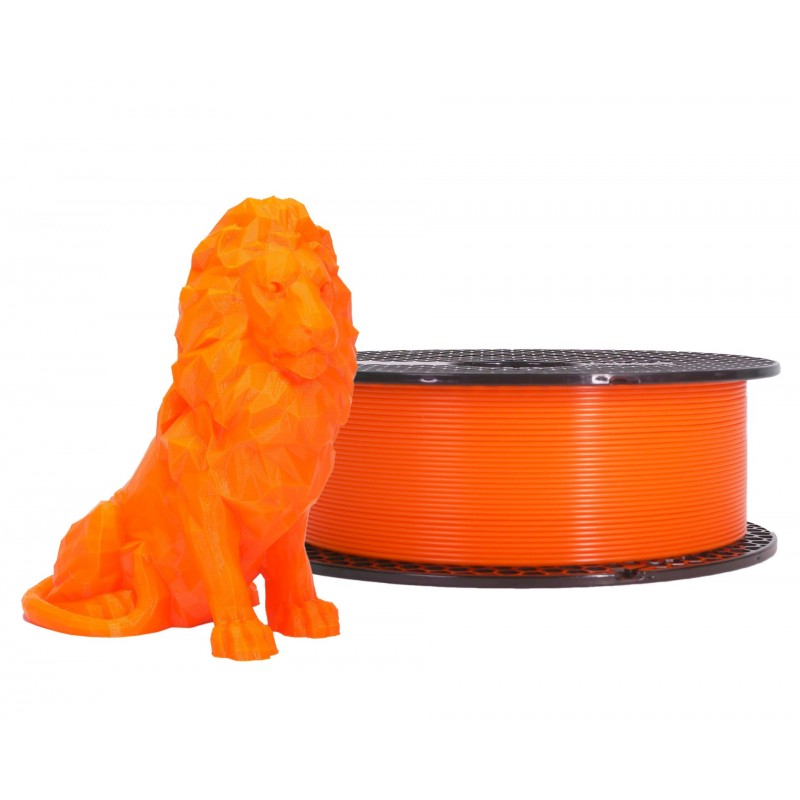
PLA, short for polylactic acid, is usually the best first filament for beginners. It is affordable, widely available, and relatively easy to print. According to Prusa’s PLA material guide, PLA is well suited to detailed models, figures, prototypes, and low-wear toys.
Lucas uses PLA for many of his most colorful projects, including:
- Sports trophies and medals
- Small basketballs, soccer balls, and skatepark models
- Desk organizers
- Keychains
- Game pieces
- School projects
- Decorative animals and characters
PLA is especially useful while learning because it usually has low warping and produces clean details. It also works well for large objects and small models, making it a practical material for a young maker who wants to try many different ideas.
There are a few limitations. PLA can become soft in high temperatures, such as inside a hot car. It can also be more brittle than other materials, so a thin PLA part may crack if it is bent or dropped repeatedly. That makes it excellent for models and decorations, but not always the best choice for parts that need to flex or withstand heavy impact.
The colors Lucas reaches for most often
Color is one of the most exciting parts of 3D printing. Lucas usually starts with a small collection of basic PLA colors rather than buying every shade at once.
Black, white, and gray
These are useful everyday colors. They work well for:
- Brackets and organizers
- Printer accessories
- Simple prototypes
- Bases for colorful projects
- Parts that will be painted later
Neutral colors can also make it easier to spot print problems. If a surface has rough layers, gaps, or stringing, the issue may be easier to see on black, white, or gray filament.
Red, blue, and yellow
Bright primary colors are some of Lucas’s favorites because they make sports projects feel more energetic. He might use:
- Red for a basketball hoop model
- Blue for a team logo
- Yellow for a trophy stripe
- Several colors for a board game or miniature sports field
Green and other bright shades
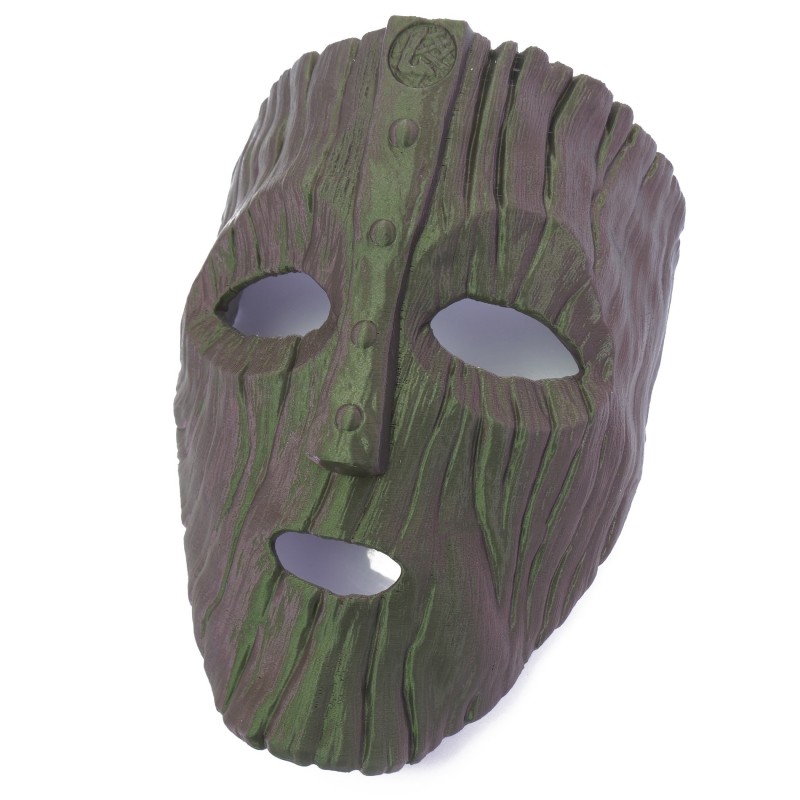
Green is useful for grass, plants, outdoor scenes, and sports fields. Lucas also enjoys experimenting with unusual colors, including galaxy finishes, translucent filament, and color blends.
Prusa’s PLA material guide includes examples of PLA in several colors and finishes. When choosing filament, it is a good idea to check the manufacturer’s recommended temperature settings because different brands and colors can print slightly differently.
PETG: Lucas’s next step for stronger parts
PETG, or polyethylene terephthalate glycol-modified, is a tougher material that Lucas uses when PLA may not be durable enough. It is still considered reasonably accessible for beginners, but it often requires more attention to temperature, bed adhesion, and stringing.
Prusa describes PETG as suitable for mechanical parts, holders, clamps, and waterproof parts in its PETG material guide.
Lucas might choose PETG for:
- A stronger equipment organizer
- A bracket for a shelf
- A holder for sports bottles
- Outdoor project parts
- Durable boxes and containers
- Printer accessories that will be handled often
PETG is tougher and more flexible than PLA. Instead of breaking as easily under stress, it may bend slightly. It also handles moderate heat better than PLA and has good layer adhesion.
However, PETG is not always the easiest material for detailed models. It can produce thin strings between separate parts, and it may stick too strongly to some print surfaces. The printer settings should always be checked before starting, and children should ask an adult to help with bed preparation or material changes.
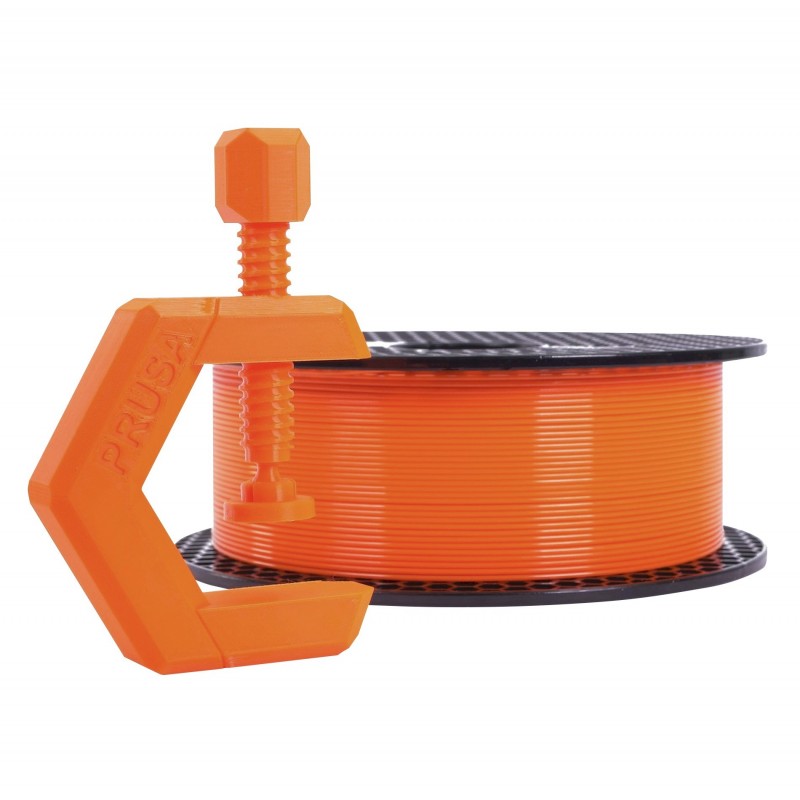
For a first PETG project, Lucas would be better off printing a simple holder or box instead of a complicated figure. Once the settings work reliably, he can try more detailed designs.
TPU: the flexible filament for special projects
TPU is a flexible, rubber-like filament. Lucas does not use it for every project because it can be more challenging to print than PLA or PETG. Instead, he saves it for objects that need to bend, grip, cushion, or absorb impact.
TPU can be useful for:
- Flexible wheels
- Rubber-like grips
- Cable protectors
- Bumpers
- Shoe accessories
- Small protective covers
- Sports equipment organizers
Prusa’s TPU 95A material guide explains that flexible filament requires careful preparation. It generally prints more slowly, and the filament path needs to be set up so the soft material does not bend or bunch up inside the extruder.
For kids, TPU is best treated as an advanced beginner or intermediate project. An adult can help choose the correct printer profile, load the filament, and check the first layer. Lucas likes TPU because it feels different from ordinary hard plastic, but he knows that the material may take more than one attempt.
A simple filament guide for young makers
Here is Lucas’s basic decision guide:
| If the project needs… | Start with… |
|---|---|
| Bright colors and easy printing | PLA |
| Detailed models and decorations | PLA |
| A tougher holder or bracket | PETG |
| Better resistance to handling and moderate heat | PETG |
| A part that bends or cushions | TPU |
| A first-ever print | PLA |
The temperature numbers printed on the filament package should always take priority over general advice. As a starting point, many PLA materials print around 200–215°C at the nozzle, while PETG often uses higher temperatures. TPU settings vary considerably, so its label and printer profile are especially important.
Lucas’s beginner filament collection
Lucas does not need dozens of spools to enjoy 3D printing. A small collection is enough to support many projects:
- White PLA for prototypes and parts that may be painted
- Black PLA for bases, organizers, and simple functional pieces
- Blue or red PLA for sports-themed models
- Green PLA for fields, scenery, and outdoor designs
- PETG for a stronger project
- TPU for a flexible project when an adult can help
Keeping filament dry is also important. Moisture can affect print quality, especially with materials such as PETG and TPU. Store spools in a dry container or sealed bag when they are not being used.
It is also wise to label each spool with its material and color. That simple habit helps Lucas learn how different filaments behave and makes it easier to select the right one for his next design.
The best way to learn is by experimenting
The goal of 3D printing is not to produce a perfect object every time. Lucas learns by testing, observing, and trying again. A small color change can make a familiar model feel new, while switching from PLA to PETG can teach him how material properties affect a design.
For families looking for 3D printing hobbies for kids, filament is a great place to begin. Start with PLA, explore colors, and use simple projects to learn the basics. When a project needs more strength, try PETG. When it needs flexibility, experiment with TPU under adult supervision.
Most importantly, choose projects that connect with a child’s interests. Lucas enjoys sports, so a team-colored trophy, miniature stadium, or equipment organizer gives him a reason to keep learning. With the right filament, every new print becomes both a creative project and a small engineering lesson.
For more about Lucas and his creative interests, visit Lucas Gorgan.