A Day in the Life of a 9-Year-Old Maker: Lucas’s 3D Printing Routine
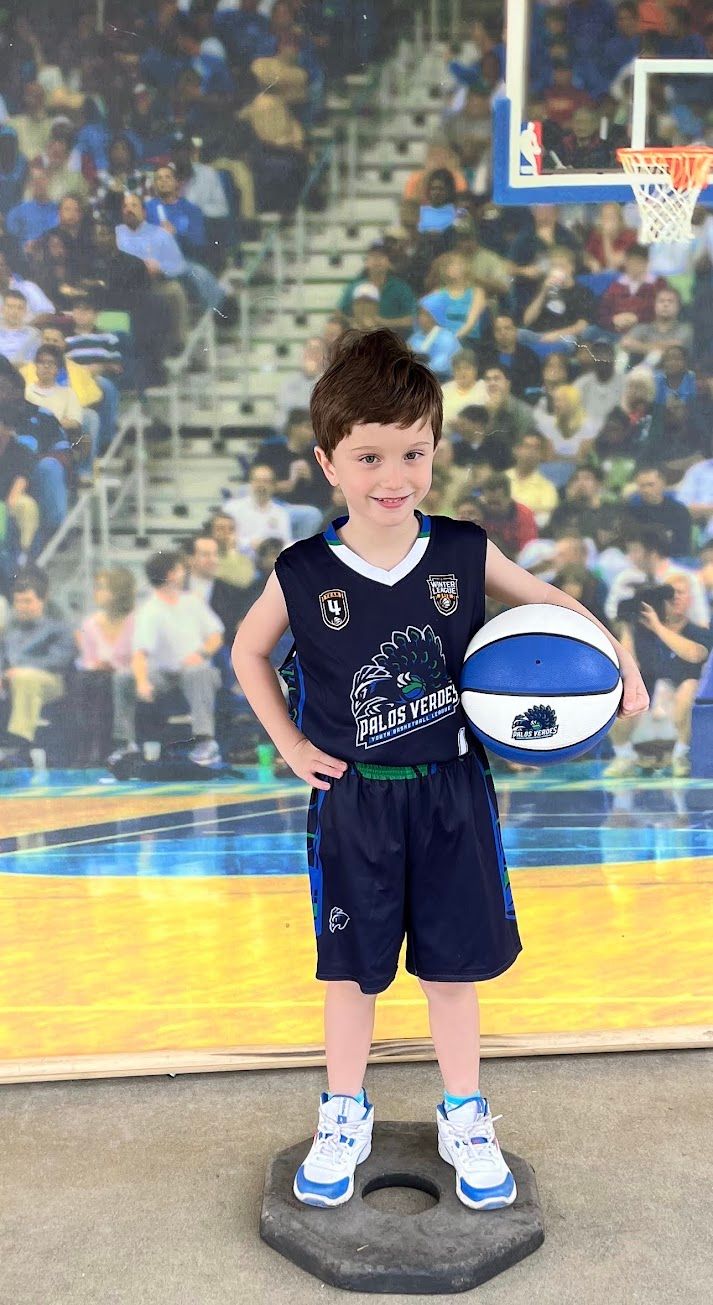
Lucas is nine years old, enjoys sports, and has discovered that 3D printing turns ideas into real objects. On a typical weekday, his routine is not about spending hours in front of a machine. It is about finding small opportunities to design, make, test, and improve something while still leaving plenty of time for school, outdoor play, homework, and family.
That balance is what makes 3D printing such an enjoyable hobby for kids. A short session can become a useful project, a creative challenge, or the beginning of a bigger idea. For Lucas, it is one of several 3D printing hobbies for kids that fits naturally into an active day.
Morning: Ideas Before the Day Begins
Lucas’s maker routine often starts before he reaches the printer.
At breakfast, he might notice that his sports bag needs a better name tag or think of a new design for a game-day keychain. Sometimes an idea comes from a problem: a missing board-game piece, a messy desk, or a water bottle that keeps rolling off the table. Other times, inspiration comes from sports.
After watching a soccer match or practicing basketball, Lucas may sketch a tiny trophy, a team-color token, or a simple stand for displaying a medal. The sketch does not need to be perfect. At this stage, the goal is to capture the idea before the school day begins.
This habit helps Lucas understand that making is not only about pressing “print.” It begins with noticing, imagining, and asking questions:
- What problem could this object solve?
- How large does it need to be?
- Can it be printed as one piece?
- What colors would make it easy to recognize?
- How long should the print take?
A notebook beside the printer gives him a place to record ideas for later. Some projects are ready that afternoon, while others need more planning.
After School: Sports Come First
When Lucas comes home, the printer is not automatically the first thing he visits. He has a snack, talks about his day, and gets ready for sports or outdoor play.
Sports are an important part of his routine because they give him time away from screens and machines. Running, kicking a ball, practicing a shot, or playing with friends also gives him new design ideas. A training session might inspire a custom score counter. A team practice might lead to a request for personalized bag tags for teammates. Even a simple game can become a design challenge.

Lucas likes projects that connect his interests. A 3D-printed object does not need to replace sports; it can support them. He can make a small display stand for a ball, a numbered token for tracking drills, or a model of a field to explain a play. These projects allow him to move between physical activity and creative problem-solving.
This mix is one reason 3D printing kids fun works best when it is part of a broader routine. Kids can enjoy technology while still making time for movement, friends, reading, and family.
The Five-Minute Project Check
After sports, Lucas and an adult look at his project list. They choose one small task for the day.
The project might be:
- A flat bookmark
- A backpack name tag
- A simple sports token
- A desk organizer
- A replacement game piece
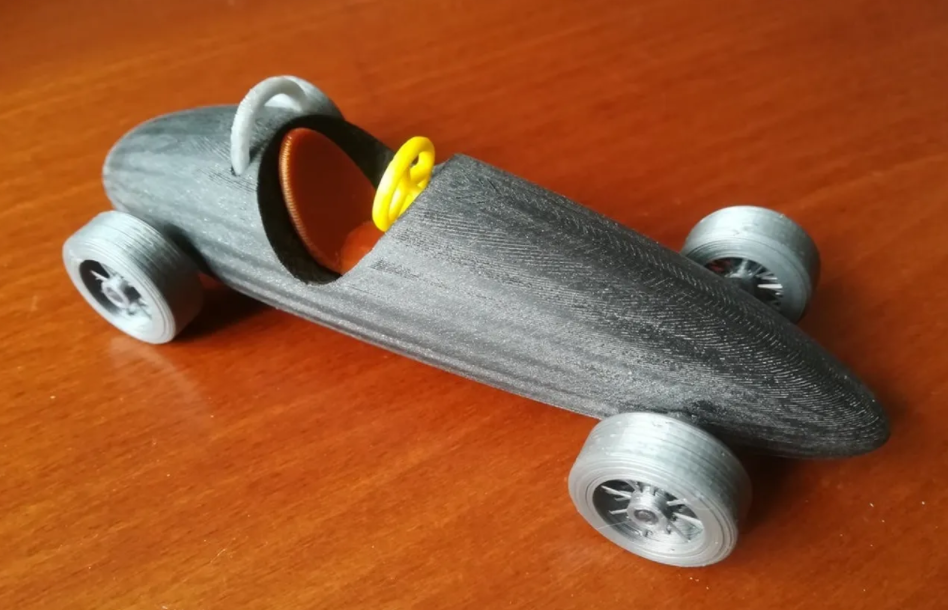
- A small model car
- A trophy-shaped decoration
Lucas does not try to complete the biggest or most complicated design every day. Small projects are easier to understand and more likely to finish successfully. They also make it easier to learn from mistakes.
Before printing, an adult helps Lucas check the model in beginner-friendly design or slicing software. Together, they look at the object from different angles and ask whether any part is floating, too thin, or difficult to print. For a young maker, this review is an important part of learning.
A useful design does not have to be complicated. A simple shape that works well can teach more than a detailed model that fails because it is too ambitious.
The Printing Session: Watch, Learn, and Wait
Once the project is ready, Lucas helps with the preparation while an adult handles the printer’s hot components and controls.
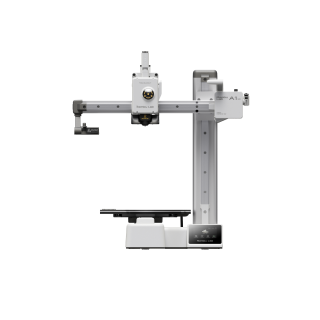
The printer is located in a suitable, well-ventilated area away from regular living spaces. For a child’s routine, an enclosed filament printer using PLA can be a practical choice, but adult supervision remains essential. The nozzle and print bed can become hot, and the machine has moving parts.
Lucas’s most important rule is simple: watch with your eyes, not your hands.
He can observe the first layer and learn how the plastic adheres to the print surface. If something looks unusual, he tells an adult rather than reaching inside. The adult can pause or stop the print and decide what to do next.

This short observation period teaches Lucas how a design becomes a physical object layer by layer. It also shows him that patience is part of making. The printer may need time to finish, and not every result will be perfect.
Official safety guidance recommends using appropriate ventilation, keeping printers away from main workstations, avoiding contact with hot components, and ensuring that children receive safety instruction before using or observing the equipment. Families should follow the instructions for their specific printer and material.
Dinner and Family Time: Letting the Printer Work
While the printer continues under adult supervision, Lucas moves on to dinner, homework, and family time.
This is another useful lesson: a project does not have to receive constant attention to remain exciting. Lucas can return later to inspect the finished object once the printer has stopped and cooled.
Sometimes, the print is ready after dinner. Other times, it becomes a next-day project. That is perfectly fine. A predictable routine keeps 3D printing enjoyable rather than rushed.
When the object is cool, an adult helps remove it safely. Lucas may inspect the edges, compare the result with his original sketch, and decide whether the design needs improvement. If support material or sharp tools are involved, an adult handles those steps or provides close supervision.
The finished object may be small, but the learning is significant. Lucas is practicing planning, patience, measurement, observation, and problem-solving.
A Maker’s Evening Review
Before bed, Lucas spends a few minutes reviewing the project.
He asks himself:
- Did the object work as planned?
- What part was easiest?
- What went wrong, if anything?
- Would a different size or shape work better?
- What should he try next?
If he printed a sports token, he might test it during the next practice. If he created a name tag, he can attach it to his bag. If he printed a small model, he might display it on his desk.
This connection between making and real life is important. The goal is not simply to collect plastic objects. The goal is to create things that have a purpose, tell a story, or encourage the next idea.
For inspiration, families can explore age-appropriate projects through resources such as Prusa’s guide to 3D printing with kids and beginner design platforms such as Tinkercad. Projects should always be selected with a child’s age, equipment, materials, and supervision needs in mind.
Why Lucas’s Routine Works
Lucas’s day shows that kids fun and learning do not have to be separate. His 3D printing routine works because it has boundaries:
- School and homework come first.
- Sports and outdoor activity remain part of the day.
- Projects are small enough to finish without pressure.
- An adult manages safety-critical steps.
- Failed prints are treated as lessons, not disasters.
- Finished objects are used, tested, or improved.
This approach turns 3D printing into more than a screen-based activity. It becomes a creative process that combines design, engineering, storytelling, and practical problem-solving.
For Lucas, the best part is seeing an idea take shape. A sketch from breakfast can become a printed object by evening. A sports practice can inspire a new design. A failed print can lead to a better version tomorrow.
That is the real appeal of 3D printing for kids: every day offers another chance to imagine something, make something, and learn something new.
Hero image credit: Wan Cheng Huat, “Children viewing MinNature 3D Printing upclose,” via Wikimedia Commons, licensed under CC BY-SA 4.0.