Looking for Fun 3D Printing Projects? Here Are 10 Things Lucas Wants You to Know
Lucas is 9 years old, and he has discovered that 3D printing can turn an idea into something he can hold, use, play with, or give to someone else. He also loves sports, so many of his favorite projects combine making with football, basketball, running, and outdoor games.
If you are searching for 3d printing kids fun, Lucas has ten tips to share. His ideas are simple, creative, and suitable for beginners: with an adult helping whenever the printer is hot or moving.
1. Start with something you can use
Lucas’s first big lesson is simple: the best project is not always the most complicated one. A useful print can be more exciting than a detailed model because you get to see it become part of your day.
Try starting with:
- A name tag for a backpack or sports bag
- A pencil topper
- A desk sign
- A phone stand
- A small container for game pieces
- A keychain with an initial or favorite shape
A personalized object feels special because it belongs to you. Lucas likes the idea that a plain item can become unique just by changing its shape, color, or name.
For first projects, a browser-based design tool such as Tinkercad can help beginners combine simple shapes and add text.
2. Pick a project connected to your interests
Lucas believes that designing is easier when you already know what you like. Since he enjoys sports, he might choose a ball-shaped keychain, a team-color bag tag, or small score tokens for a game.
Other children might prefer:
- Animals
- Space
- Dinosaurs
- Cars
- Fantasy creatures
- Puzzles
- Robots
This is one reason 3D printing makes such a great hobby for kids. You do not have to begin with a random object. You can begin with your favorite things and build from there.
A sports fan could design a simple medal, a shoe-shaped decoration, or a holder for whistle lanyards. The goal is not to make a perfect professional product. The goal is to make something that feels exciting.
3. Make your name the star
Lucas recommends name projects because they are easy to personalize and make excellent first prints. You can create raised letters on a flat base, turn initials into a keychain, or design a name plate for a bedroom shelf.
A simple name project teaches several useful ideas:
- How letters become 3D shapes
- How large or small a design should be
- How to add a hole for a keyring
- How to choose colors
- How to check whether a design fits on the print bed
You can also add a small sports symbol, such as a ball, star, shoe, or trophy. Lucas likes the idea of putting a name tag on a gym bag so it is easier to recognize at practice.
4. Try a tiny sports equipment project
Not every sports-related print needs to be used during a real match. Some objects are better as decorations, game accessories, or reminders of a favorite sport.
Beginner-friendly ideas include:
- Miniature sports balls
- Team-color bag tags
- Score counters
- Trophy decorations
- Medal displays
- Numbered game tokens
- A small stand for a printed ball
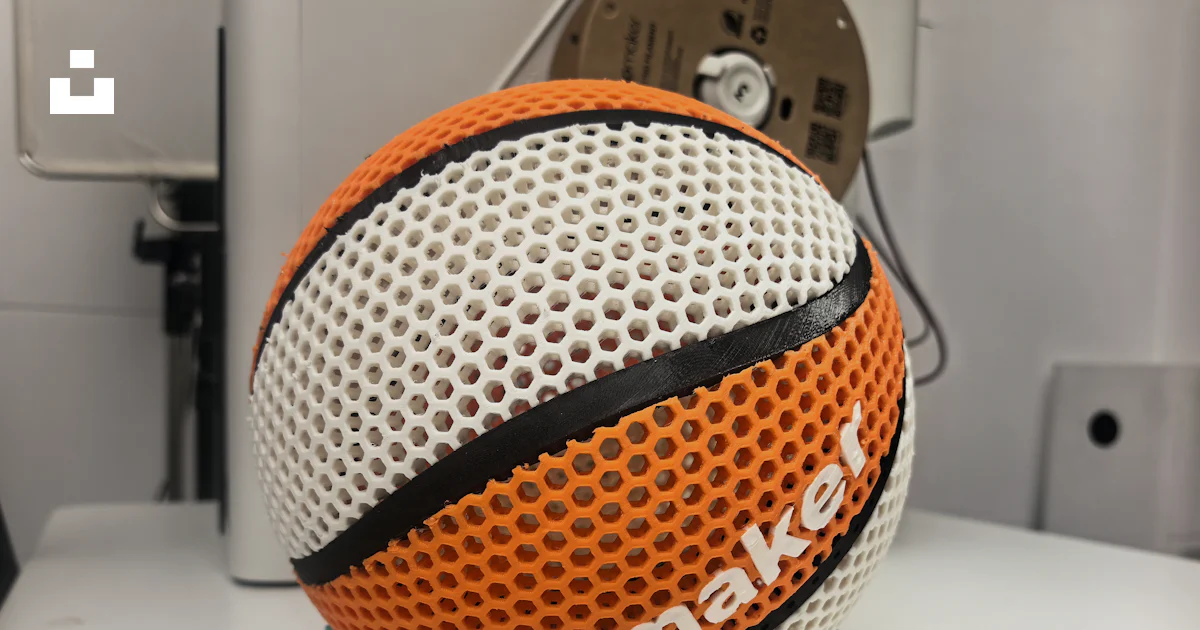
Lucas’s advice is to begin with a simple shape. A ball, circle, rectangle, or number can become the foundation for a more interesting design. Once the basic shape works, you can add stripes, initials, or raised details.
Always ask an adult before making anything that could affect safety during a real sport. A printed object may look like equipment without being strong or tested enough for actual play.
5. Make a desk pet
A desk pet is a small printed creature that sits near a notebook, computer, or homework space. It could be a dinosaur, robot, animal, or imaginary character.
Lucas likes desk pets because they are small enough to print without waiting all day. They also encourage storytelling. You can give your desk pet a name, personality, favorite sport, or imaginary team.
For example, a tiny printed robot might be:
- The goalkeeper of a space team
- A coach for a group of desk creatures
- A mascot for a school project
- A helper that guards your pencils
Desk pets are a fun introduction to 3d printing hobbies for kids because they combine design, creativity, and play. They do not need to be perfect. Small changes can make each one look different.
6. Design something that moves
Once Lucas feels comfortable with simple objects, he can try a print with moving parts. These projects can include a flexible animal, a fidget shape, a hinged box, or a simple spinning wheel.
Moving projects teach an important lesson: parts need space to move. If pieces are too close together, they may fuse. If they are too loose, the object may not work properly.
A good beginner approach is to use a ready-made model first and learn how it works. Then you can change one feature, such as the size, color, tail, wheels, or accessories.
An adult can help check the design before printing. That way, Lucas can focus on the fun question: “What should it do?”
7. Turn a drawing into a print
Lucas’s drawing does not need to look like a professional blueprint. A simple sketch can become the starting point for a 3D project.
Try drawing:
- A mascot
- A sports logo made from original shapes
- A favorite animal
- A badge
- A trophy
- A fantasy player or robot
The drawing can then be recreated with basic shapes. A circle can become a ball, a rectangle can become a sign, and cylinders can become wheels or handles.
This is a great way to understand that 3D printing is not only about downloading models. It is also about transforming imagination into an object.
8. Use colors to tell a story
Lucas knows that color can make a simple print much more fun. A sports project could use the colors of a favorite team, while a desk pet could have bright eyes, a different-colored hat, or a contrasting base.
Color choices can also help explain how an object works:
- One color for the main body
- Another for buttons or controls
- A bright color for a handle
- Team colors for a sports accessory
- Different colors for puzzle pieces
You do not need many colors to make a project interesting. Two or three carefully chosen colors can be enough. The important thing is to decide on the design before starting the print.
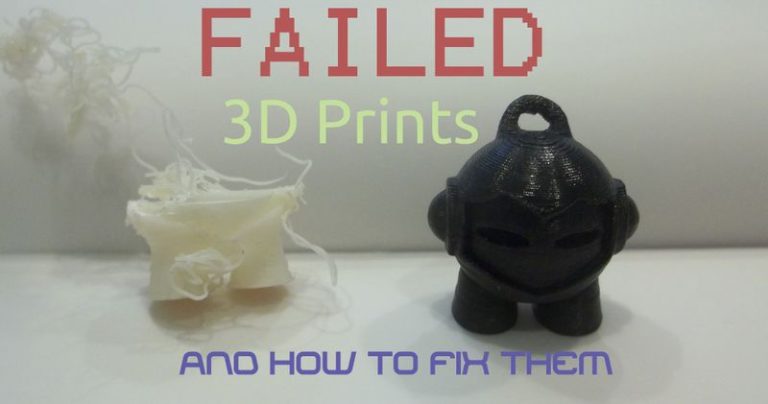
9. Learn from prints that do not work
Lucas’s ninth tip may be the most important: a failed print is not always a failure. Sometimes it is a clue.
A print might:
- Come loose from the build plate
- Have a rough surface
- Miss a small detail
- Be too tight to move
- Be larger or smaller than expected
- Need support material
Instead of giving up, ask what could change next time. The answer might involve the size, position, speed, support settings, or design itself.
This is where 3D printing becomes a hands-on science and engineering hobby. Lucas can test one change at a time and compare the results. That makes the process feel a little like practice in sports: each attempt teaches you something.
10. Always make safety part of the project
Lucas’s final tip is to enjoy 3D printing with an adult nearby. A 3D printer has hot parts, moving components, and electrical equipment. Children should never reach inside a running printer or touch a print before an adult confirms that it has cooled.
Helpful rules include:
- Let an adult operate or supervise the printer
- Keep fingers away from the nozzle and moving parts
- Wait for the print bed and object to cool
- Use the printer in a well-ventilated area
- Follow the manufacturer’s instructions
- Ask for help with filament, slicing, and troubleshooting
- Never assume a printed object is safe for food or sports use
PLA is commonly used for beginner projects, but material choice and ventilation should always be discussed with an adult. For food-related objects, such as cookie cutters, check the printer and filament guidance carefully. Resources from SmartCore Labs and We Are Teachers offer additional project inspiration and classroom-friendly ideas.
Lucas’s big idea: make, test, and have fun
For Lucas, 3D printing is more than watching a machine create an object. It is a way to explore ideas, solve small problems, and connect different interests. A sports fan can design a bag tag. A storyteller can make a character. A curious beginner can start with a cube and slowly build something more complex.
That is the real secret behind kids fun with 3D printing: choose an idea you care about, start small, ask for help, and try again when the first version is not perfect.
Whether you are looking for a first project or new 3d printing kids fun, Lucas says there is only one rule that matters most: make something that makes you want to keep creating.